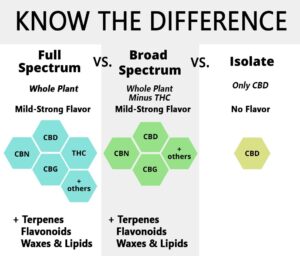
The entourage effect is the theory that the active compounds in cannabis work better together than they do when isolated. Instead of just one chemical (like THC) doing all the heavy lifting, the plant’s various cannabinoids, terpenes, and flavonoids interact synergistically to shape, balance, or enhance the overall therapeutic outcome.
While it is widely accepted by consumers and some preclinical evidence supports it, clinical human studies are still ongoing, and some researchers note that the exact biological mechanisms remain unproven.
The Core Ingredients
The entourage effect relies on three main components of the cannabis plant:
• Cannabinoids: The primary active compounds. Tetrahydrocannabinol (THC) is responsible for the psychoactive “high,” while Cannabidiol (CBD) offers calming and non-intoxicating benefits. Minor cannabinoids like CBG and CBC also contribute.
• Terpenes: The aromatic molecules that give different strains their distinct smells (e.g., pine, citrus, or lavender). Beyond scent, they are thought to directly influence the type of effect you feel.
• Flavonoids: Compounds that provide color and offer potential antioxidant or anti-inflammatory properties.
An example of this synergy in action occurs when CBD is taken alongside THC, as CBD can help soften the psychoactive intensity and reduce common side effects like THC-induced anxiety or paranoia.
How to Make It Work For You
If you want to experience the entourage effect, the specific type of product you choose matters. To leverage these compound interactions, keep the following approaches in mind:
1. Choose “Full-Spectrum” Products
Always check product labels for processing styles.
• Look for Full-Spectrum: These products keep the plant’s entire natural profile intact, ensuring you receive all the native cannabinoids, terpenes, and flavonoids. Whole-plant flower, live rosin, and full-spectrum tinctures provide the strongest foundation for the entourage effect.
• Avoid Isolates and Distillates: “Isolates” are chemically stripped down to a single pure cannabinoid (like pure CBD powder), completely eliminating the possibility of an entourage effect. Basic “distillates” are highly refined THC oils that often strip away native terpenes, though some brands add botanical flavorings back in later.
2. Target Specific Terpene Profiles
Instead of choosing cannabis based strictly on the highest THC percentage, read the lab results or product labels to identify the dominant terpenes, as they help direct the experience:
• For Relaxation/Sleep: Look for strains high in Myrcene (musky, herbal) or Linalool (floral), which are associated with sedating and calming properties.
• For Focus/Alertness: Look for strains dominant in Pinene (pine aroma) or Limonene (citrus), which are linked to mental clarity and elevated mood.
• For Physical Relief: Look for Caryophyllene (peppery), a unique terpene that interacts directly with physical cannabinoid receptors to assist with inflammation and pain.
3. Focus on Cannabinoid Ratios
Experimenting with balanced ratios of CBD to THC (such as a 1:1 or 2:1 product) can yield a more controlled, rounded, and therapeutic experience than consuming high-potency THC products by themselves. CBD to Sativa in a ratio greater 10:1 helps with anxiety and inflammation in the body.
If you ever have any questions or need further guidance, please don’t wait until you renew to speak to your Cannabis Physician.