CBD TO TREAT CHRONIC INFLAMMATION
Inflammation is not inherently bad; acute inflammation is a healthy, life-saving immune response that helps your body heal from cuts, infections, and injuries. However, inflammation becomes dangerous when it transforms into chronic, low-grade inflammation, which acts like a slow-burning fire that silently damages healthy cells and , tissues over time. According to experts at the Cleveland Clinic, chronic inflammation occurs when your immune system continuously pumps out white blood cells and chemical messengers even though there is no external danger. This prolonged state of high alert causes severe, widespread damage across several bodily systems.
Cardiovascular Destruction Plaque destabilization: White blood cells mistake cholesterol deposits in your arteries for an injury and attack them.
Heart attacks and strokes: This immune response creates a fibrous cap over the arterial plaque. Ongoing inflammation can eat away at this cap, causing it to burst and form a sudden blood clot.
Atherosclerosis: The constant influx of immune cells hardens and narrows your blood vessels, restricting overall blood flow.
Neurological Decline Brain aging: High systemic inflammation is linked to accelerated brain aging and chronic brain fog.
Alzheimer’s disease: The Mayo Clinic Press notes that persistent inflammation promotes the formation of abnormal tau proteins, which gobbles up healthy nerve cells and drives cognitive decline.
Mental health issues: The inflammatory response alters neurotransmitters in the brain, increasing the risk of depression and anxiety.
Tumor growth: This toxic cellular environment directly damages your DNA, promotes uncontrolled cell proliferation, and encourages cancerous cells to thrive and spread.
Metabolic and Autoimmune Chaos Insulin resistance: Inflammation elevated by fat tissues disrupts how your body processes glucose, significantly increasing the risk of Type 2 diabetes.
Self-attack: An overactive, exhausted immune system can lose its ability to distinguish friend from foe, triggering autoimmune diseases like rheumatoid arthritis, lupus, and Crohn’s disease. As summarized by researchers at Harvard Health, this “silent” threat contributes heavily to the top causes of death worldwide.
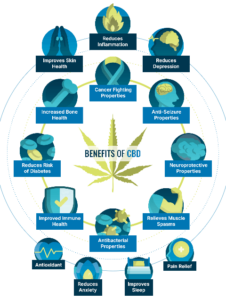
Cannabidiol (CBD) has demonstrated strong anti-inflammatory properties in laboratory and animal studies. Preclinical models demonstrated that CBD can reduce systemic inflammation and target pathways linked to chronic diseases.
CBD Impacts Body Inflammation According to scientific reviews, such as those published by the National Institutes of Health (.gov), CBD interacts with the body’s endocannabinoid system (ECS) and other biological receptors to manage physiological stress.
Cytokine Suppression: Activation of cannabinoid receptors (CBD) reduces the body’s inflammatory response.
Oxidative Stress Reduction: Its unique molecular structure provides antioxidative benefits, neutralizing free radicals that trigger inflammation.
Arthritis & Joint Pain: Preclinical studies indicate that CBD can target and reduce the viability of rheumatoid arthritis synovial fibroblasts (the cells that drive joint destruction).
Gut Inflammation: Evidence suggests potential benefits in treating conditions like inflammatory bowel syndrome (IBS) or colitis by dampening smooth-muscle irritation.
Skin Pathology: Topically applied CBD has shown localized anti-inflammatory effects that may assist with conditions like acne or psoriasis.
Once Cannabis receives its new DEA classification, research can be done to verify and help fine tune CBD therapy.
CALL 813-944-9333 to get started on your therapy!